Key Takeaways:
- A clean title generally means no relevant negative vehicle brand is recorded in the applicable registration system, including the insurance company.
- A clean title on the vehicle doesn’t rule out accident repairs, liens, theft recovery, odometer issues, or other history.
- The title brand names and criteria vary by province and territory, so confirm the rules with your local registration authority.
- A VIN check can help you review additional reported vehicle-history records beyond branding information.
If you are in the market searching for a used vehicle, there will be many terms and concepts you need to know before you decide to purchase a car. One of them is the vehicle title status or branding.
Understanding it can help you identify potential risks before buying. This article will tell you how Canadian vehicle brands work and how to check a vehicle's history using its VIN.
What Does a Clean Title Mean?
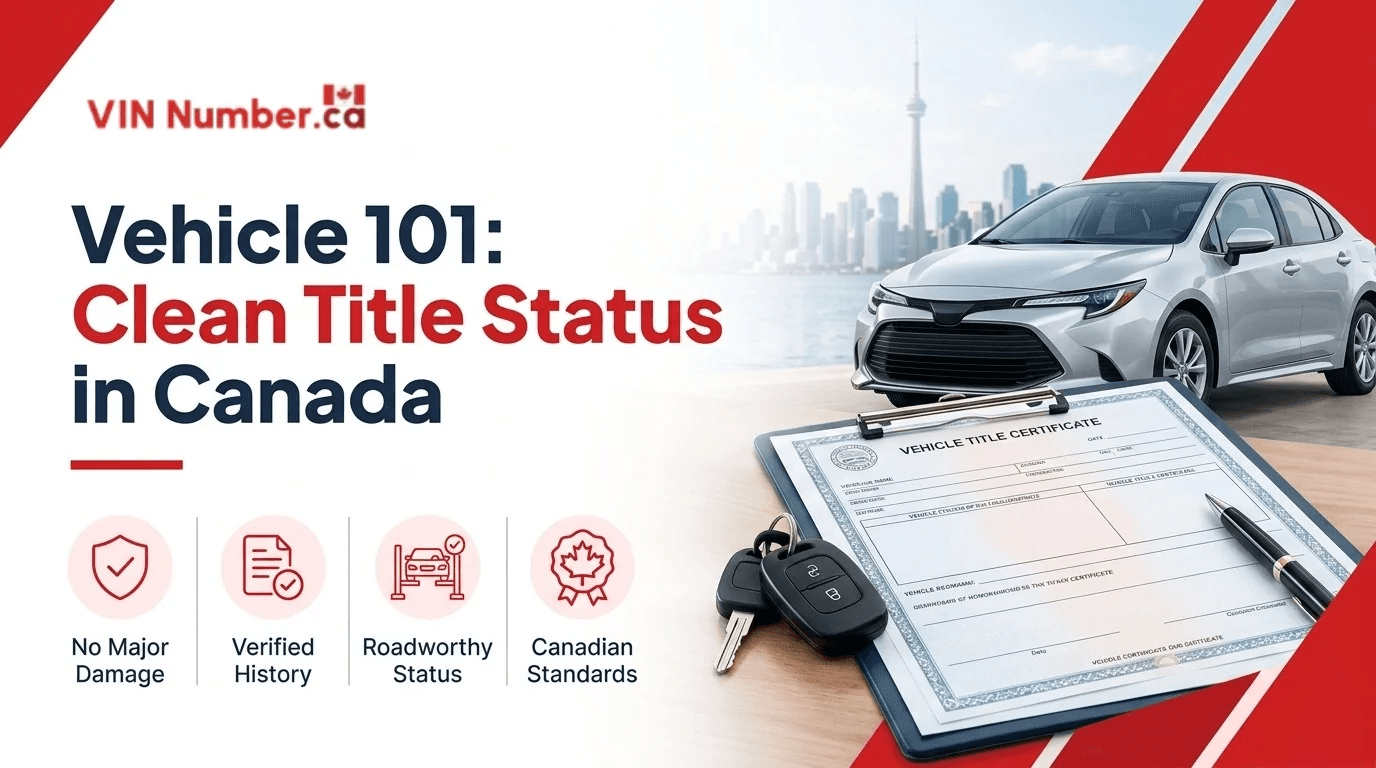
A clean title is a commonly used term for a vehicle with no relevant negative brand recorded in the applicable vehicle-registration system. It does not confirm the vehicle's complete history, mechanical condition, or freedom from outstanding financial obligations. The title only confirms that it hasn’t been written off or rebranded.
How Vehicle Branding Works Across Canada
Vehicle branding is used by provincial and territorial authorities to identify vehicles with certain damage, theft, or registration histories. A brand is linked to the vehicle's identification number (VIN) and recorded in the applicable vehicle-registration system.
Common Canadian vehicle brand terms include Normal, Salvage, Rebuilt, and Irreparable. However, the terminology, criteria, and restrictions vary by jurisdiction and province. A vehicle's status may also change after repairs and inspections, while its previous branding remains part of its history.
When buying a used vehicle, check the branding rules in the province where it is registered and review records from any other jurisdictions where it was previously registered.
Clean vs. Salvage vs. Rebuilt vs. Irreparable
Canadian vehicle branding systems use different labels to describe a vehicle's recorded status. The following table explains common terms, but the exact definitions and driving restrictions depend on the province or territory.
| Brand | General meaning | Important consideration |
|---|---|---|
| Clean/ Normal / None | No relevant negative brand is recorded in the applicable system. | Does not guarantee an accident-free vehicle. |
| Salvage | Vehicle has been branded due to qualifying damage or loss. | Usually cannot be driven until required repairs and inspections are completed. |
| Rebuilt | Previously branded salvage or severely damaged and subsequently rebuilt and inspected. | The previous damage and brand remain relevant to its history. |
| Irreparable | Vehicle cannot be returned to normal road use. | Generally restricted to permitted parts or scrap use. |
Stolen is a separate vehicle status. According to the Insurance Bureau of Canada, only police can assign or cancel a stolen brand. Some provinces and territories also use additional labels or different terminology, so always verify the meaning with the relevant registration authority.
Read Also: Car Scams Alerts: How to Check if a VIN Is Cloned
How to Check if a Car Has a Clean Title
Plan to buy a used vehicle? You will need to get the vehicle history report to see the complete car’s title and get other information about the vehicle. Follow these steps to get the vehicle history report.
Find the VIN
Before you get started, you will need the VIN. Locate the 17-character VIN on the dashboard near the windshield, the driver's-side door frame, or the vehicle's registration documents. Compare the VIN displayed on the vehicle with the documents provided by the seller.
Use a Reliable VIN Check Service
After you have successfully decoded the VIN, you can get information about the vehicle's status in the vehicle report. VIN Number.ca is a reliable VIN check service that gets you the complete vehicle history report. With our vehicle history reports, you can view all past records, including:
- Title status, including clean, salvage, rebuilt, and more
- Accident and damage records
- Odometer readings
- Theft records
- Recalls and service history records
Don’t forget to examine the vehicle history report carefully. You can also download the report in PDF format and open or print it anytime you want.
Verify the Vehicle Status
Check the vehicle's status with the relevant provincial or territorial registration authority. If the vehicle has a rebuilt or salvage history, request supporting repair and inspection documents.
What Else to Check Beyond the Title

A title check focuses on vehicle branding. Other history checks provide additional information about accidents, odometer readings, theft records, liens, previous use, and auction activity. The information available depends on the records reported for the VIN.
Conclusion on a Vehicle Clean Title
A clean title is a great starting point, but it doesn’t guarantee a car is problem-free. Some sellers may leave out important details or may not know the full history themselves, as some of them might be a third party in the buying and selling.
Always verify the title status and history yourself before buying. The easiest way to do that in Canada is with a VIN lookup through a trusted service, like VINnumber.ca. It’s fast, reliable, and could help you avoid serious mistakes that could cost you hefty amounts of money and compromise safety.
Frequently Asked Questions About The Vehicle Clean Title
Is a clean title always better when buying a used car?
In most cases, yes. Having a clean title on the vehicle usually means fewer risks, easier financing, and better resale value. But it’s still important to review the full vehicle history, as some clean title cars might still have hidden damage or high repair costs.
What’s the difference between a clean title and a rebuilt title?
A clean title generally refers to a vehicle without relevant negative branding in the applicable registration system. A rebuilt vehicle was previously classified as salvage or severely damaged and subsequently completed the required repair and inspection process. Its previous branding remains part of its history.
Can a car have a clean title but still have accident damage?
Yes. A clean title only means the car hasn't been declared a total loss by insurance. It could still have been in one or more accidents, especially minor ones, and retained a clean title. Some incidents do not meet the applicable branding criteria, while others may never be reported.
Review available accident records and arrange a professional inspection before purchasing.
Does a clean title mean a vehicle has no liens?
No. Vehicle branding and registered financial interests are separate matters. A vehicle may have a Normal brand while still being subject to a registered lien or other security interest. In Quebec, check the RDPRM; elsewhere, use the applicable provincial or territorial registry.
Can a rebuilt vehicle be driven in Canada?
It depends on the province or territory and whether the vehicle has completed the required repairs, inspections, and registration process. A rebuilt brand generally indicates that the vehicle passed the applicable requirements, but the specific rules and restrictions differ by jurisdiction.
What does irreparable mean on a vehicle record?
An irreparable vehicle has been classified as unsuitable for return to normal road use under the applicable rules. It is generally restricted to permitted parts or scrap use. Confirm the meaning with the registration authority in the jurisdiction where the vehicle was branded.
How do I check a vehicle's branding in Quebec?
You can request the vehicle's ownership history through the SAAQ to review its recorded Quebec status and history. You should also search the RDPRM for registered rights affecting the vehicle. A commercial VIN report can provide supplementary history from available sources.
Can a VIN check guarantee that a car has a clean history?
No. A VIN check can show available records associated with the vehicle, but not every accident, repair, ownership event, or theft-related incident is necessarily reported. Use the report alongside official records, seller documents, and a mechanical inspection.