
Check Any Vehicle Title History by VIN in Canada
A vehicle title brand check helps you see if the vehicle has a clean title, is salvaged, rebuilt, or a total loss. These titles affect the vehicle’s price, safety, and selling price. Enter the VIN to check the car’s title status now!
As featured in




Title Statistics in Canada
In 2023, CARFAX showed nearly 90,000 vehicles in Canada were marked as “salvage” or “non‑repairable.
In 2023, more than $100 million was paid in Alberta for vehicle‑related claims (hail, wind, flood).
AMVIC reports a 47% increase in rebuilt title registrations in 2026
Types of Branded Vehicle Titles in Canada
In Canada, every province and territory uses a system of title brands to warn buyers about a vehicle's history or condition. These brands are permanent and attached to the VIN, so they follow the vehicle forever until fixes are made.
Clean Title
A clean title means the vehicle has not been declared a total loss by an insurance company. It suggests the car has never been damaged severely enough for repair costs to exceed a large percentage of its market value.
Why is a Clean Title Important?
Clean title vehicles are easier to insure, finance, and resell. In addition, a clean-titled vehicle has a lower risk compared to cars carrying salvage or rebuilt history.
Salvage Title
A salvage title is applied when an insurance company declares the vehicle a total loss. This usually happens when repair costs exceed the car’s actual cash value after severe damage from accidents, fire, theft recovery, or other major incidents.
Factors That Lead to a Salvage Title
Major collisions, flood damage, and fire damage are common reasons a vehicle is marked as a salvage. Although heavily damaged, the vehicle can be repaired.
Rebuilt Title
A rebuilt title is issued after a salvage vehicle has been repaired and passed provincial structural and safety inspections. Once it's passed, the vehicle is fit to be driven on the road.
Common Causes of a Salvage Title
Rebuilt vehicles are typically cheaper than clean-title cars, but they may carry hidden repair risks. Insurance coverage and resale value can also be more limited.
Irreparable Title (Often Called Junk or Non-Repairable)
An irreparable title is assigned to vehicles that are too severely damaged to ever return to the road. These vehicles can no longer be legally registered or driven in Canada.
Vehicle Restrictions Under an Irreparable Title
Vehicles with an irreparable title are considered unsafe and beyond repair standards. They are typically dismantled for usable parts, recycled, or sold as scrap rather than restored for road use.
Flooded Title (Often Marked as Irreparable)
In many Canadian provinces, severely damaged or flooded vehicles are marked as irreparable instead of receiving a flood damage title. Water can permanently damage a vehicle’s electrical, structural, and mechanical systems.
Long-Term Effects of Flood Damage
Flood damage can lead to hidden corrosion, mold growth, wiring issues, and ongoing electrical problems. These issues may not appear immediately and can become expensive to diagnose or repair over time.
Odometer Brand
An odometer-branded title is added when the vehicle has suffered from odometer rollback, or mileage has been altered. It warns buyers and sellers that displayed mileage might not be true.
Consequences of Odometer Fraud
Incorrect mileage can hide a vehicle’s actual wear and tear, reduce reliability, and artificially inflate its value. It can also affect maintenance schedules and lead to unexpected repair costs in the future.
Hail Damage Title
Severe hail damage can result in a vehicle being declared a total loss due to expensive body panel repairs and paintless dent removal. If the vehicle is marked as hail damage, it could be assigned a salvage title by the authorities.
Causes Behind a Hail Title Designation
A vehicle receives a hail title when severe hail damage causes repair costs to outweigh its market value. It could lead insurers to classify it as a total loss.
Lemon Title
A lemon title, also called a manufacturer buyback, means the vehicle was returned to the manufacturer because repeated defects could not be fixed after multiple repair attempts.
Conditions That Cause a Lemon Title
Persistent transmission problems, electrical failures, engine defects, or safety-related issues are common reasons manufacturers repurchase vehicles under lemon law or warranty programs.
Why Checking Title Status Matters?
Checking a vehicle’s title status is important for both buyers and sellers because it helps confirm whether the vehicle can be legally driven, registered, or sold. It can also reveal hidden problems, ownership issues, and title brands that may affect value and safety.
Buyers
As a buyer, it is important to check everything before purchasing a used vehicle. Accidentally purchasing a vehicle that is unknowingly marked as salvage is dangerous.
Avoid Hidden Vehicle Problems
Checking the title helps buyers identify salvage, rebuilt, flood, or other title brands that may reveal past damage or costly issues.
Confirm Vehicle Value and History
A title check helps verify the vehicle’s condition and history, ensuring the asking price matches its actual market value.
How to Verify a Car Title Status
To check a car’s title brand, simply enter the VIN into our tool. You'll get a detailed report with information on the title brand, accident history, mileage, and more. Simply follow these steps:
Find the VIN
Find the Vehicle Identification Number (VIN) on the car. Check on the vehicle’s paperwork, like the owner's manual, for faster results.
Fill in the Form
Once you have the VIN, enter it into the form. Then, click on the button to submit the form. Wait for a few seconds to get the report generated.
Get the Report
Don’t forget to examine the preview page, then proceed to payment to get the full vehicle report to check the car’s title status.
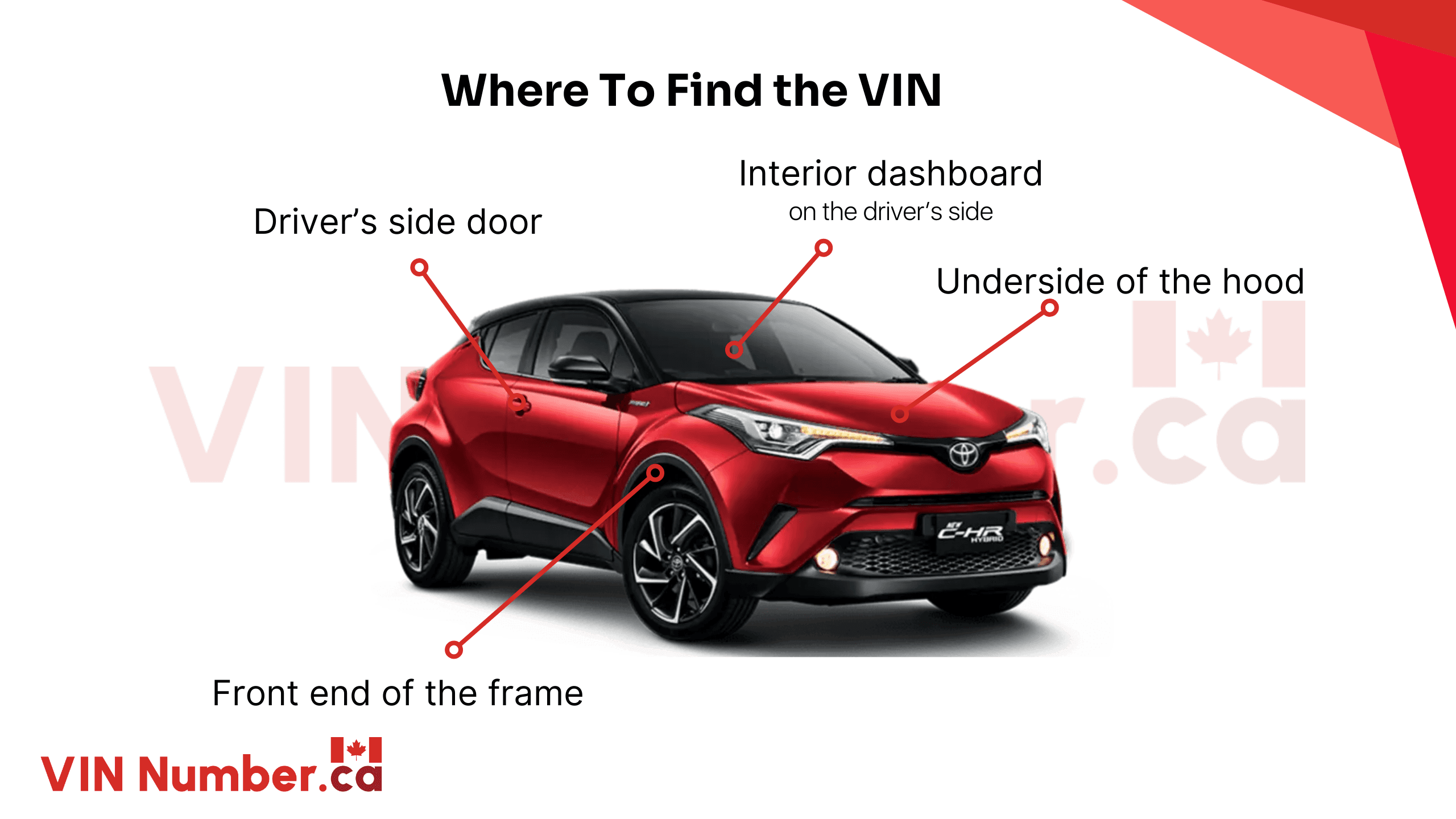
Where Can I Find the VIN Number?
There are two ways you can opt to find the VIN: checking the vehicle’s paperwork and examining the vehicle’s body. Here’s the location where you can find the vehicle’s VIN:
Dashboard
Examine the bottom corner of the dashboard, usually located on the driver’s side.
Doorjamb
Open the doorjamb and examine the B-pillar (the frame where the door is latched), and look for a sticker or a plate in it.
Under the Hood
Some vehicles have their VIN engraved on their engine. To find the VIN on the engine, you will need to open the hood and then examine the engine to find the VIN.
Vehicle’s Paperwork
Aside from the vehicle’s body, the VIN can be found on the vehicle’s registration certificate, vehicle’s title, insurance cards, or policy.
What Can be Found on the Vehicle’s Title Check Report?
Checking a vehicle’s actual title is easy; you can use the vehicle’s title check by VIN. Once you’ve succeeded, you’ll get a vehicle history report that details not only the vehicle but also other crucial information about the vehicle that you need to know before taking it home.
Title Brand Checks
This section displays the title brands attached to the vehicle that could affect safety, value, insurance eligibility, and market value.
Title Status Confirmation
Shows whether the vehicle carries a clean, salvage, rebuilt, flood, or lemon title designation.
Branded Title Details
Highlights permanent title records linked to major damage, insurance write-offs, or manufacturer buybacks.
Vehicle Specifications
Check the complete vehicle specifications and confirm the vehicle’s factory configurations, trim level, MSRP, and country of origin before purchasing the unit.
Core Vehicle Configuration
Includes engine type, drivetrain, fuel type, transmission, and trim information linked to the VIN.
Production and Identification Details
Displays model year, manufacturing data, and other identifying specifications to verify authenticity.
Vehicle Usage Records
Usage history records show how the vehicle was used in the past by its previous owners. It helps to examine if the vehicle was used heavily before.
Personal and Commercial Usage
Informs whether the vehicle was privately owned or used for commercial purposes, such as fleet or delivery service.
Rental and Taxi History
Identifies past rental or taxi usage that indicates higher mileage and accelerated wear and tear.
Odometer Reading
The odometer reading section shows the detailed odometer history throughout the date. This section helps you to verify the vehicle’s actual odometer.
Recorded Odometer Entries
Displays historical mileage readings along with reporting dates from inspections, registrations, or service events.
Rollback Detection Indicators
Flags sudden mileage drops or inconsistent reporting patterns that may suggest odometer tampering.
Accident Records
Accident records document reported collisions that impact the vehicle’s structural integrity, safety, and long-term reliability.
Accident Dates and Locations
Lists when accidents occurred and where the incidents were officially reported.
Structural and Safety Indicators
Highlights collisions that have affected the frame, airbags, suspension, or other critical systems.
Damage Verification
Damage history reveals reported incidents beyond standard collisions that affect the vehicle’s condition or performance.
Collision and Structural Damage
Identifies major or minor damage caused by an accident.
Fire and Environmental Damage
Shows records related to flood exposure, fire damage, hail incidents, or salvage auction damage.
Repair Costs
Repair cost data helps estimate the severity of previous damage and the financial impact of past insurance claims.
Insurance Claim Estimates
Displays estimated repair costs and claim payouts associated with reported incidents.
Damage Severity Indicators
Provides insight into how extensive the repairs may have been based on recorded repair values.
Warranty Status and Coverage
Warranty information confirms whether the vehicle still carries manufacturer or extended coverage protections.
Active Warranty Coverage
Shows remaining manufacturer warranty, powertrain coverage, or roadside assistance eligibility.
Covered Systems and Components
List the major components and systems still protected under active warranty programs.
Get Vehicle Window Sticker: View the Original Build Data
We offer a window sticker lookup service that shows you the original details of a vehicle, including its factory specifications, features, and options. This helps you confirm the vehicle's authenticity and ensures you're getting the right car.
What You'll Find on a Window Sticker
Here’s what you’ll be getting on the window sticker.
- Original Factory Specs: Includes make, model, year, and VIN.
- Vehicle Features: Details like engine type, drivetrain, and exterior/interior colour codes.
- Options & Packages: Shows the factory-installed options and any available packages.
- Standard Features: Lists key features like safety equipment and interior amenities.
- Pricing & Fuel Economy: Shows MSRP, MPG ratings, and tire specs.
Check Any Vehicle Makes and Models
Need to check any vehicle’s details? We cover a wide range of makes and models!
Frequently Asked Questions About Car Title Check
How to check if a vehicle has a lien in Canada?
To check whether a vehicle has an active lien in Canada, a PPSA (Personal Property Security Act) search can be performed using the VIN in the province where the vehicle was registered. A lien indicates outstanding debt tied to the vehicle that could affect ownership transfer.
Can I run a VIN number to see if a car is stolen?
Yes, a VIN can be checked against the Canadian Police Information Centre (CPIC) database to see whether a vehicle has been reported stolen. VINNumber.ca VIN Search
can also provide additional theft-related records, including reported theft dates and locations when available.
What is a vehicle title in Canada?
In Canada, a car title is commonly referred to as a vehicle permit, registration certificate, or ownership document. It serves as proof of legal ownership and includes important details such as the VIN, registered owner information, and vehicle registration records.
What is the best website to check car titles?
Choosing the best car title check website depends on whether you need a basic lookup or a more detailed vehicle history report. With VINNumber.ca, you can check a vehicle’s complete title information quickly and receive results in under a minute.