
RV VIN Check in Canada – Check Specs and History
A used RV might carry hidden records that might not be disclosed during purchase. The VINnumber.ca RV VIN check helps to get through information such as maintenance history, auction records, ownership, and even market value.
Why Do You Need to Check the RV VIN Before Any Transaction?
Imagine purchasing a used RV without checking past information; it could be dangerous and might lead to a legal dispute in the future. Here’s why you need to run an RV VIN check before getting a used RV.
Protect Yourself from RV Fraud
An RV VIN lookup helps uncover whether the vehicle has been reported stolen, salvaged, or sold by someone who is not the legal owner. This reduces the risk of purchasing an RV that could lead to legal disputes, financial losses, or ownership complications.
Find Outstanding Liens and Loans
Before buying a used RV, it is important to verify whether there are any active liens or unpaid loans attached to it. An RV VIN check can reveal existing financial obligations, helping buyers avoid inheriting debt or facing repossession after the purchase.
Verify a Clean and Transferable Title
The report shows if the RV has ever been declared a total loss by an insurance company or branded with a salvage title. Confirming title status helps ensure the RV can be legally registered, insured, and driven without unexpected issues.
Confirm Factory Specifications and Features
Verify the RV's original make, model, year, engine information, and factory-installed equipment. Comparing these details with the seller's description can help identify inaccurate listings, undisclosed modifications, or potential misrepresentation.
Set the Right Price
As a seller, it is important to know the market value and MSRP before setting the selling price. Our service can help you see the MSRP and complete market value according to condition, such as outstanding or rough.
Write a Correct Listing Description
As a seller, it should be your responsibility to write everything down correctly. Check the VIN and get the vehicle history report to help you write down the actual vehicle specifications and records when selling the vehicle.
What Will You Get From the RV VIN Check?
An RV VIN lookup gets you much more information about the vehicle’s past. Whether you're evaluating a motorhome, travel trailer, fifth wheel, or camper. Use VINNumber.ca service to check the complete information of the RV before buying. Here’s what you’ll get from the report.
Previous Auction Activity and Photos
Discover if the RV has appeared at a salvage, insurance, dealer, or public auction. Available records include auction dates, sale locations, selling prices, and up to ten photos that showcase its condition during an auction.
Verified Odometer Reading History
Review recorded odometer readings from various sources to identify inconsistencies or potential odometer rollback. See the recorded odometer reading along with the date and the last recorded reading before the unit was put up for sale.
Title Status and Brand Records
Check whether the RV carries a clean title or has been branded as salvage, rebuilt, flood-damaged, lemon, junk, or odometer-discrepant. Understanding title history is essential when assessing safety, insurability, and future resale value.
Ownership and Commercial Usage History
Learn how the RV was used throughout its lifetime. Records may indicate whether it served as a privately owned recreational vehicle, rental unit, leased vehicle, commercial asset, or government-owned vehicle.
Reported Accident History
Find out whether the RV has been involved in reported collisions. Available records may include accident dates, locations, and incident summaries, helping buyers evaluate potential structural or mechanical concerns.
Damage and Loss Records
Uncover reported damage events such as flooding, fire damage, hail damage, collision damage, insurance losses, or salvage declarations. Reviewing these records can help identify issues that may not be immediately visible during an inspection.
Outstanding Liens and Financing Records
Determine whether a lender or financial institution still holds a legal interest in the RV. Verifying lien status before purchase helps prevent ownership disputes and reduces the risk of future repossession claims.
Important Vehicle Events and Red Flags
Access records of significant events throughout the RV's life. See the complete information, including repossessions, insurance claims, duplicate title issuances, abandoned vehicle reports, theft recoveries, and other noteworthy title-related events.
Where to Find the RV VIN?
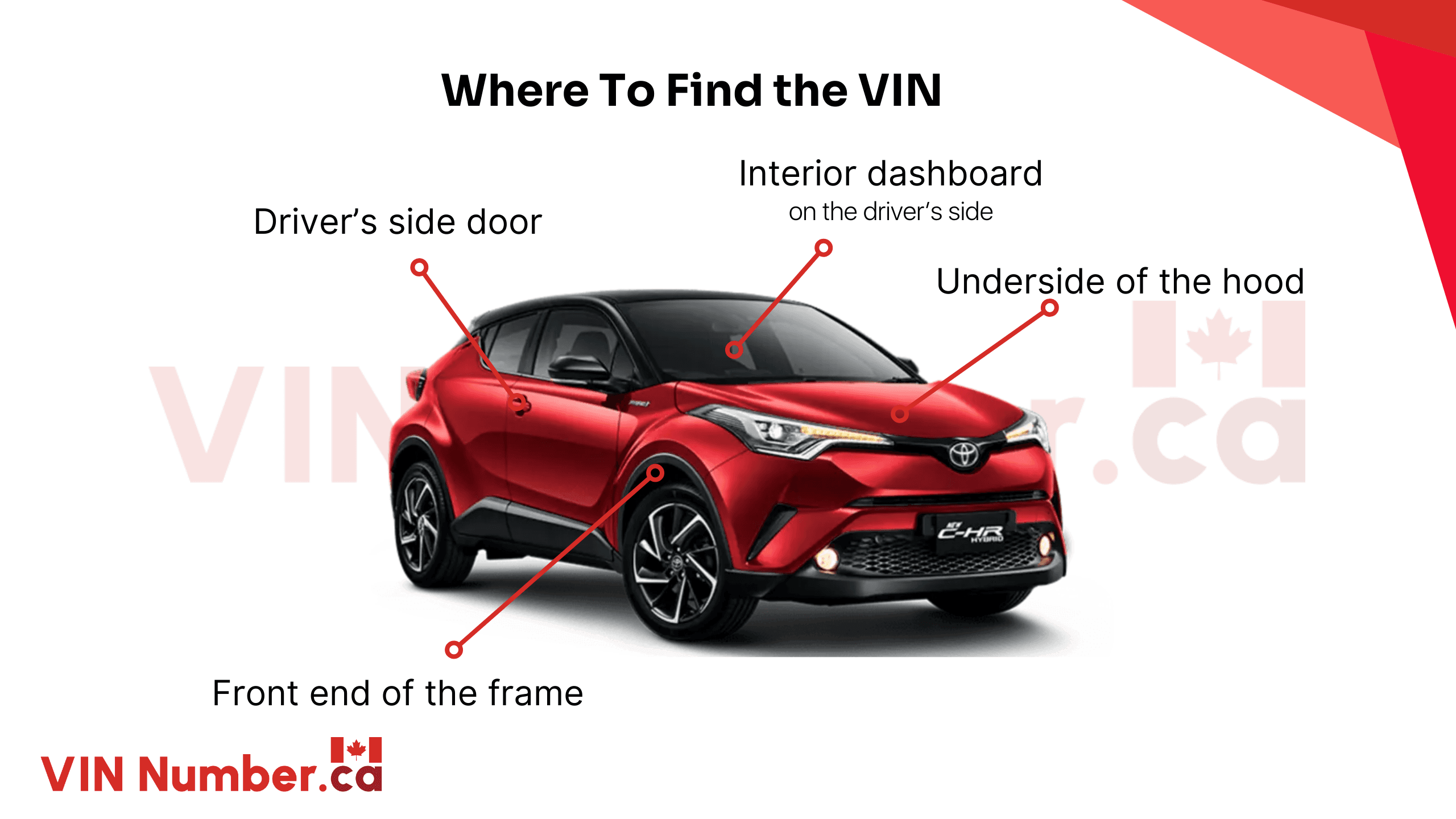
To find the RV VIN is easy; you just need to examine a few locations on the vehicle and the paperwork. Check these locations to find the RV VIN:
On a Motorhome
Unlike towable RVs, motorhomes are self-powered vehicles and often have multiple VIN locations. If you cannot find the VIN in one spot, check the following areas:
Driver's Door Frame
Open the driver's door and look for a certification label or metal plate attached to the door jamb. This is one of the most common VIN locations on Class A, Class B, and Class C motorhomes.
Dashboard Near the Windshield
Many motorhomes display the VIN on the driver's side dashboard.
Inside the Engine Compartment
Check areas such as the firewall, radiator support, or other structural components near the engine.
On a Travel Trailer or Fifth Wheel
Towable RVs use different VIN placement standards from motorhomes. The VIN is commonly attached to the frame or displayed on the manufacturer's certification label.
Manufacturer's Certification Label
Look for a sticker or metal label near the front roadside section of the trailer. This label also contains information about weight ratings, manufacturing details, and compliance certifications.
Trailer Tongue or Hitch Frame
The VIN is also stamped directly onto the trailer tongue, A-frame, or a nearby frame rail close to the hitch connection point.
Frame Rails and Undercarriage
On some travel trailers and fifth wheels, the VIN is permanently stamped into the steel frame underneath the RV.
How to Check an RV VIN Number
Checking an RV VIN number is easy; you can use VINNumber.ca RV VIN Check tool and get the vehicle history report.
Step 1: Enter the VIN
Once you have the VIN, enter the RV VIN into the form above. Then, click on the button to submit the form.
Step 2: Submit the Form
Then, click on the button to submit the form.
Step 3: Get the Vehicle History Report
Wait for the report to generate. You can check the preview page to see full specs info and market value. After that, proceed to payment to get the full vehicle history report.
What They Say About Our Service
Chance Snyder
Date of experience: July 30, 2023
This website was recommended by several different articles, so I gave it a try while my wife and I searched for a used car. The reports are less expensive than Carfax, but far superior to other options I have tried.
Keith Williams
Date of experience: August 08, 2023
There is little to no information out there on the original equipment that comes on a used vehicle you are trying to buy. To finally find a website was amazing.
Mike Ericson
Date of experience: July 24, 2023
This vehicle history report has everything I needed to entice a buyer. It's a great alternative to a Carfax at a much better price!!
Explore More Vehicle Lookup Tool
Need to check any other vehicle information? Use our VIN check tools to obtain the actual and complete information.
Examine ANY RV’s Past Records Before Buying
Be a smarter buyer and examine everything before you decide to purchase a vehicle. Use our RV VIN number check to check the complete information before you decide to take it home.
FAQs About RV VIN Check
Is an RV VIN lookup free?
Yes, basic RV VIN decoding is available at no cost and can reveal key specifications such as the manufacturer, model, engine details, and body type. For access to title records, accident history, odometer readings, and other historical information, a full RV history report is typically required.
What model is my RV by VIN?
You can identify your RV's model by entering its VIN into the VINNumber.ca VIN Decoder. The VIN can reveal important details about the vehicle, including the manufacturer, model, model year, and factory specifications.
How to check an RV VIN?
Performing an RV VIN check is straightforward. Simply locate the vehicle's 17-digit VIN and enter it into a VIN decoder or vehicle history service to access specifications, ownership records, and historical data.
What year is my RV VIN number?
The model year of an RV can often be determined from the 10th character of its 17-digit VIN. Each letter or number corresponds to a specific production year and can be interpreted using a VIN year decoding chart.
Can a VIN lookup show RV recalls?
Yes. A VIN lookup can help identify open safety recalls associated with both the RV chassis and manufacturer-installed components, allowing owners and buyers to verify whether outstanding recall repairs still need to be completed.